
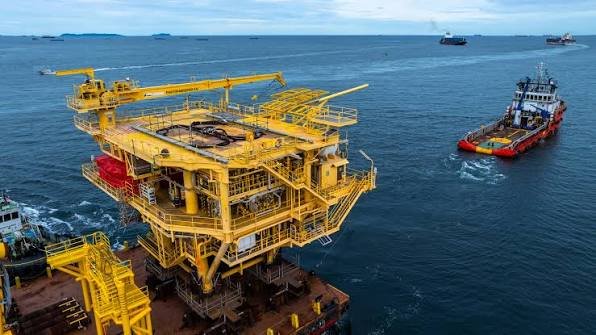
A psv vessel plays a critical role in offshore oil and gas operations by transporting essential supplies, equipment, fuel, water, drilling materials, and spare parts to offshore platforms, rigs, and production facilities. Because these vessels operate in challenging marine environments, safety systems and offshore operating standards are extremely important. A modern psv vessel is not just a cargo carrier; it is a highly specialized offshore support vessel designed to work close to platforms, maintain position in harsh weather, handle hazardous materials, and protect crew, cargo, and offshore assets.
Offshore environments present unique risks, including rough seas, heavy lifting operations, combustible cargo, vessel traffic, limited maneuvering space, and emergency response challenges. Therefore, every psv vessel must follow strict maritime safety regulations, classification society rules, and offshore industry best practices. These standards help ensure that the vessel can operate safely during supply runs, standby duties, cargo transfer, and emergency support operations. From dynamic positioning systems to fire detection, lifesaving appliances, navigation equipment, and pollution prevention systems, every safety feature has a defined purpose.
Understanding the Role of a PSV Vessel in Offshore Safety
A psv vessel is designed to support offshore installations by carrying deck cargo, liquid mud, dry bulk, fuel, potable water, chemicals, and other mission-critical supplies. Since it often works near expensive offshore assets and personnel, its safety performance directly affects the reliability of the entire offshore operation. Unlike ordinary cargo ships, a psv vessel must operate in close proximity to rigs and platforms, sometimes under tight schedules and difficult sea conditions. This makes precise control, communication, and risk management essential. Offshore supply operations require the vessel to approach a platform, maintain a safe working position, transfer cargo, and depart without creating hazards for the crew or installation.
Safety begins with vessel design. A well-built psv vessel includes strong hull construction, stable cargo deck arrangements, watertight compartments, reliable propulsion, and advanced bridge systems. The vessel’s layout is planned to reduce operational risks, improve visibility, and allow safe movement of personnel during cargo handling. In addition, offshore support vessels are usually built according to international maritime rules and classification standards. These may include SOLAS requirements, MARPOL pollution prevention rules, ISM Code safety management systems, and classification society guidelines from organizations such as DNV, ABS, Lloyd’s Register, or Bureau Veritas. Together, these frameworks ensure that a psv vessel is designed, maintained, inspected, and operated to recognized safety standards.
Crew competence is another important part of offshore safety. Even the most advanced psv vessel depends on trained officers, engineers, deck crew, and safety personnel. Crew members must understand cargo procedures, emergency response, firefighting, first aid, enclosed space rules, permit-to-work systems, and platform communication protocols. Therefore, offshore vessel operators invest heavily in safety drills, toolbox talks, risk assessments, and continuous training. This combination of vessel design, technology, procedure, and human skill allows a psv vessel to operate safely in demanding offshore environments.
Key Safety Systems Installed on a PSV Vessel
A modern psv vessel is equipped with multiple safety systems that work together to prevent accidents, detect problems early, and support emergency response. One of the most important systems is the dynamic positioning system, commonly known as DP. This technology allows the psv vessel to maintain its position automatically using thrusters, propulsion units, sensors, GPS, wind sensors, gyrocompasses, and control computers. DP is especially important when the vessel is working close to an offshore platform where anchoring may be unsafe or impossible. By maintaining a fixed position, the vessel can safely transfer cargo while reducing the risk of collision.
Fire detection and firefighting systems are also essential. A psv vessel may carry flammable liquids, chemicals, fuel, and machinery spaces with high fire risk. Therefore, vessels are fitted with smoke detectors, heat detectors, fire alarms, fixed firefighting systems, fire pumps, hydrants, hoses, extinguishers, foam systems, and emergency shutdown controls. Engine rooms may have CO₂ or water mist systems, while cargo areas may include special fire protection measures depending on the cargo type. These systems allow the crew to respond quickly before a fire spreads.
Lifesaving appliances are another major part of vessel safety. Every psv vessel must carry lifeboats, life rafts, life jackets, immersion suits, rescue boats, emergency position-indicating radio beacons, and survival equipment. These items are inspected regularly and tested during drills. In offshore operations, emergency evacuation must be planned carefully because weather, distance from shore, and platform activity can complicate rescue operations. As a result, crews are trained to respond to abandon-ship situations, man-overboard incidents, medical emergencies, and rescue coordination.
Navigation and communication systems further improve operational safety. A psv vessel uses radar, electronic chart display systems, AIS, GPS, VHF radio, satellite communication, echo sounders, and bridge alarm monitoring systems. These tools help the bridge team avoid collisions, monitor weather, communicate with platforms, and follow planned routes. In addition, alarm systems monitor machinery, bilge levels, steering gear, generators, and propulsion equipment. When a fault occurs, the system alerts the crew so they can take immediate corrective action. Together, these safety systems create several layers of protection for the vessel and offshore facility.
Offshore Operating Standards and Compliance Requirements
A psv vessel must comply with strict offshore operating standards before it can work for oil and gas companies, offshore wind developers, or marine contractors. These standards are designed to reduce risk, protect the environment, and ensure consistent performance across offshore operations. One of the most important frameworks is the International Safety Management Code, commonly called the ISM Code. This requires vessel operators to maintain a safety management system covering responsibilities, emergency procedures, maintenance, audits, risk assessments, reporting, and continuous improvement. For a psv vessel, the ISM Code helps ensure that safety is not treated as a one-time checklist but as an ongoing management process.
International regulations also shape how a psv vessel is operated. SOLAS focuses on safety of life at sea, including fire protection, lifesaving equipment, navigation safety, and emergency preparedness. MARPOL controls pollution from ships, including oil, chemicals, sewage, garbage, and air emissions. STCW sets training and certification standards for seafarers. In addition, the Maritime Labour Convention establishes minimum standards for crew welfare, working hours, accommodation, and onboard living conditions. These rules are especially important because offshore supply crews may work long rotations in physically demanding environments.
Oil and gas companies often add their own standards on top of international requirements. Before hiring a psv vessel, charterers may conduct vessel inspections, safety audits, and operational reviews. These inspections may check certificates, maintenance records, crew qualifications, DP capability, cargo systems, lifting equipment, emergency drills, and safety culture. Offshore companies also require vessels to follow specific bridge procedures, platform approach rules, radio communication protocols, exclusion zones, and cargo documentation requirements. As a result, a psv vessel must be ready for both regulatory inspection and client approval.
Compliance also includes environmental responsibility. A psv vessel must manage fuel consumption, waste disposal, ballast water, oily water, emissions, and chemical handling properly. Many newer vessels use energy-efficient hull designs, low-emission engines, battery hybrid systems, and advanced fuel monitoring tools. These improvements help reduce environmental impact while supporting safer and more efficient offshore logistics. In today’s offshore industry, safety and sustainability are closely connected, and a responsible operator must manage both.
Cargo Handling, Risk Assessment, and Crew Procedures
Cargo handling is one of the most important daily operations on a psv vessel, and it carries significant risk if not controlled properly. Offshore supply vessels often transport heavy deck cargo, containers, pipes, spare parts, chemicals, drilling fluids, cement, barite, fuel, and water. Each cargo type requires proper planning, securing, documentation, and handling procedures. Before departure, the crew checks cargo weight, deck loading limits, stability calculations, lashing arrangements, hazardous material documentation, and transfer requirements. This ensures the psv vessel remains stable and safe throughout the voyage.
Risk assessment is central to offshore operations. Before any high-risk activity, the crew normally conducts a job safety analysis or toolbox talk. These discussions identify hazards, assign responsibilities, confirm communication signals, and review emergency steps. For example, when a psv vessel approaches a platform, the bridge team must consider weather, sea state, current, visibility, other vessel traffic, platform instructions, DP status, and emergency escape routes. Deck crew must remain aware of suspended loads, slippery surfaces, snap-back zones, moving equipment, and crane operations.
Good communication is essential during cargo transfer. The psv vessel bridge team, deck crew, platform crane operator, and offshore installation personnel must coordinate clearly. Miscommunication can cause dropped objects, collisions, injuries, or cargo damage. Therefore, standardized radio phrases, hand signals, permit systems, and stop-work authority are commonly used. Stop-work authority allows any crew member to pause an operation if they believe safety is at risk. This is an important part of modern offshore safety culture.
Crew procedures also include maintenance routines. Safety systems are only reliable when inspected, tested, and maintained correctly. On a psv vessel, planned maintenance covers engines, generators, thrusters, steering gear, cargo pumps, valves, alarms, firefighting equipment, lifesaving appliances, navigation tools, and communication systems. Maintenance records are reviewed during audits and inspections. If equipment is not working properly, the vessel may be restricted from certain operations until repairs are completed. Therefore, disciplined maintenance is not only a technical requirement but also a key operational standard.
Read Also: What Makes Leather Vests Useful for Weekend Motorcycle Trips
Emergency Preparedness and Incident Response Offshore
Emergency preparedness is a major requirement for every psv vessel because offshore incidents can develop quickly and assistance may not arrive immediately. A vessel operating far from shore must be capable of handling fire, flooding, machinery failure, collision, medical emergencies, pollution incidents, man-overboard events, and severe weather. To prepare for these situations, the crew conducts regular drills and emergency exercises. These drills help ensure that every person onboard understands their duties, muster station, communication role, and evacuation route.
Fire response is one of the most serious emergency scenarios. A psv vessel has engine rooms, fuel systems, electrical spaces, galley areas, and cargo zones that require active monitoring. During a fire emergency, the crew must raise the alarm, account for personnel, isolate affected systems, start firefighting procedures, and communicate with nearby vessels or offshore installations. Because offshore cargo may include hazardous substances, firefighting plans must also consider chemical exposure, smoke hazards, explosion risks, and environmental protection.
Man-overboard response is another critical procedure. Offshore decks can be wet, windy, and busy with lifting operations. If a crew member falls overboard, fast response is essential. A psv vessel must have rescue equipment, trained personnel, and clear procedures for recovery. The bridge team must mark the position, maneuver safely, alert nearby assets, and coordinate rescue efforts. Regular drills improve reaction time and reduce confusion during a real event.
Pollution response is also part of emergency planning. A psv vessel may carry fuel, oil, chemicals, and drilling fluids, so spill prevention and response procedures are required. Crew members must know how to contain leaks, use spill kits, report incidents, and protect the marine environment. Many offshore clients require strict reporting even for minor spills or near misses. This approach helps operators learn from incidents and prevent future problems.
Emergency preparedness is not only about equipment; it is about readiness. A well-managed psv vessel maintains updated emergency plans, trained crew, working safety systems, clear communication, and strong leadership. These factors can make the difference between a controlled incident and a major offshore emergency.
FAQs About PSV Vessel Safety Systems
What safety systems are commonly found on a PSV vessel?
A psv vessel commonly includes dynamic positioning systems, radar, GPS, fire detection systems, firefighting equipment, lifeboats, life rafts, emergency alarms, bilge monitoring, communication systems, and pollution prevention tools. These systems help protect the crew, cargo, vessel, and offshore installation.
Why is dynamic positioning important for a PSV vessel?
Dynamic positioning allows a psv vessel to maintain its position near an offshore platform without anchoring. This is important during cargo transfer because it reduces collision risk and helps the vessel operate safely in wind, waves, and currents.
What standards does a PSV vessel need to follow?
A psv vessel usually follows international regulations such as SOLAS, MARPOL, ISM Code, STCW, and classification society rules. Offshore clients may also require additional inspections, audits, and operational procedures before allowing the vessel to work near platforms.
How does a PSV vessel handle hazardous cargo safely?
Hazardous cargo is managed through proper documentation, labeling, storage, segregation, crew training, emergency procedures, and compliance with maritime dangerous goods rules. A psv vessel must also maintain spill response equipment and safe transfer procedures.
Why are crew drills important onboard a PSV vessel?
Crew drills prepare personnel for emergencies such as fire, flooding, man overboard, abandon ship, medical incidents, and pollution events. Regular drills help ensure that everyone onboard a psv vessel knows how to respond quickly and correctly.
Conclusion
A psv vessel is an essential part of offshore logistics, but its work involves much more than transporting supplies. These vessels operate in demanding environments where safety, compliance, communication, and technical reliability are critical. From dynamic positioning and firefighting systems to lifesaving appliances, navigation tools, cargo handling procedures, and emergency drills, every part of a psv vessel is designed to support safe offshore operations.
Offshore operating standards provide the structure needed to manage risk, protect people, prevent pollution, and maintain reliable service. International regulations, classification rules, client inspections, and onboard safety management systems all work together to create a safer offshore industry. As offshore oil, gas, and renewable energy projects continue to grow, the importance of a safe, well-maintained, and professionally operated psv vessel will remain stronger than ever.
