
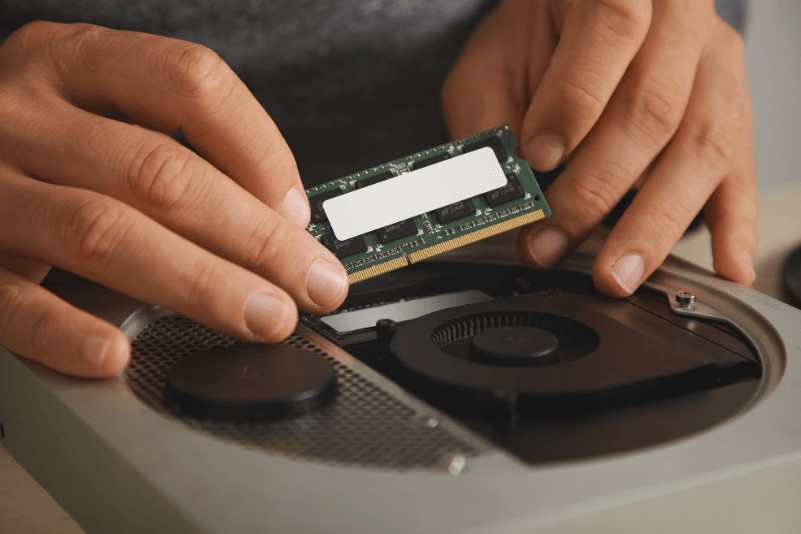
Upgrading system memory is one of the easiest ways to improve speed, stability, and overall system performance. Whether you use a computer for work, study, or heavy applications, RAM plays a key role in how smoothly everything runs. While exploring memory solutions, many users also look for a Server memory supplier that can guide them toward reliable and compatible upgrades. In this space, Ram Exchange helps users understand memory options in a simple and practical way, making the upgrade process easier for different system needs.
A proper RAM upgrade is not just about adding more memory. It is about choosing the right type, speed, and compatibility so your system can perform at its best without interruptions or slowdowns.
Why RAM Upgrade Matters for System Speed
RAM is responsible for handling active tasks on your system. It temporarily stores data that your computer needs to access quickly. When RAM is limited, your system may slow down or struggle with multitasking.
A well-planned upgrade can help improve:
- Smooth multitasking without lag
- Faster application loading
- Better system responsiveness
- Stable performance during heavy usage
When your system has enough memory, it can handle tasks more efficiently without relying heavily on storage drives.
Understanding Your System Before Upgrading
Before selecting new RAM, it is important to understand your system’s requirements. Every device has specific limits and compatibility rules.
Check the following:
- Maximum supported RAM capacity
- Number of available memory slots
- Current installed memory
- System type and architecture
These details help ensure that your upgrade fits properly and works without issues. Many users prefer checking technical details through trusted memory resources like Ram Exchange, especially when working with system upgrades.
Types of RAM You Should Know
Different systems use different types of RAM. Choosing the correct type is essential for performance and compatibility.
Common RAM types include:
- DDR3 – Older systems with basic performance needs
- DDR4 – Widely used with balanced speed and efficiency
- DDR5 – New generation memory with higher performance
Form factors include:
- DIMM for desktop systems
- SO-DIMM for laptops
- ECC memory for server environments
Selecting the right type ensures your system runs smoothly without compatibility issues.
Key Factors to Consider When Choosing RAM
A successful upgrade depends on more than just memory size. Several important factors affect performance.
1. Memory Capacity
More capacity allows better multitasking and smoother handling of large applications.
2. Memory Speed
Higher speed improves data transfer and system responsiveness.
3. Compatibility
RAM must match your motherboard and processor requirements.
4. Stability
Stable memory ensures fewer crashes and consistent performance.
When these factors are balanced correctly, your system becomes more efficient and reliable.
Importance of Compatibility in RAM Selection
Compatibility is one of the most important parts of upgrading memory. Even high-performance RAM will not work properly if it does not match system requirements.
Things to verify:
- Supported RAM generation
- Voltage requirements
- Motherboard limitations
- Slot configuration
This is where expert guidance becomes useful. A trusted Server memory supplier helps ensure that users select memory modules that are fully compatible with their system setup.
Role of Trusted Memory Providers
Reliable memory providers play an important role in ensuring system stability and performance. They help users choose the right modules based on real system needs rather than guesswork.
Ram Exchange supports users by offering memory solutions that are tested for performance and compatibility. This helps reduce installation issues and improves long-term system reliability.
Working with a trusted provider ensures:
- Properly tested memory modules
- Better system compatibility
- Guidance for different upgrade needs
- Improved overall performance experience
See also: The Future of Wearable Technology
Simple Steps for RAM Installation
Installing RAM is usually a straightforward process when done carefully.
Basic steps include:
- Turn off the system completely
- Open the memory slot area
- Align RAM properly with the slot
- Press gently until it locks in place
- Restart and check system recognition
After installation, your system should automatically detect the new memory and adjust performance accordingly.
Common Mistakes to Avoid
Many users face issues during upgrades due to simple mistakes. Avoid the following:
- Mixing different RAM generations
- Ignoring system compatibility limits
- Using unsupported memory speeds
- Installing mismatched modules
- Overlooking system specifications
Careful planning helps avoid these issues and ensures smooth performance improvements.
Benefits of a Proper RAM Upgrade
A well-planned memory upgrade provides noticeable improvements in daily system usage.
Key benefits include:
- Faster multitasking
- Reduced system delays
- Better application performance
- Improved system stability
- Smoother overall experience
Whether for professional work or personal use, upgrading RAM enhances system efficiency significantly.
Final Thoughts
Choosing the right RAM upgrade is an important step toward improving system performance. By understanding compatibility, selecting the correct type, and focusing on system needs, users can achieve long-lasting improvements in speed and stability. With the right guidance and support from trusted sources like Ram Exchange, finding the right memory solution becomes much easier and more reliable. If you are planning a RAM upgrade or need help selecting the right memory for your system, feel free to Contact us today for friendly guidance and quick support to get started.
